How Pittsburgh’s Revitalized Three Rivers Are Transforming Urban Riverfront Weddings
Pittsburgh’s Industrial Confluence Reborn as a Wedding Haven
Pittsburgh”s three rivers now offer something few urban wedding destinations can match: a dramatic city setting shaped by living water, historic infrastructure, and a visible environmental recovery. Where the Allegheny, Monongahela, and Ohio rivers once functioned primarily as industrial arteries for steel, coal, and shipping, their banks now frame promenades, parks, trails, terraces, and gathering spaces with sweeping views of bridges and downtown towers.
That transformation has changed the meaning of a riverfront wedding in Pittsburgh. Couples can celebrate beside landscapes that acknowledge the city”s industrial past while reflecting its ecological future. For couples and planners seeking a distinctive setting, regional event professionals can help shape a river celebration around venue flow, transportation, guest comfort, and a design story rooted in the city itself.
Ecological Engineering That Crafted Picturesque Riverbanks
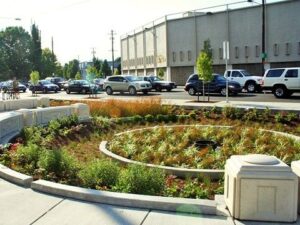
Today”s attractive riverbanks are not simply the result of natural recovery. They reflect years of ecological planning, shoreline maintenance, public investment, and community stewardship. Riparian buffers, planted with native trees, grasses, sedges, and flowering species, help hold soil in place while filtering stormwater before it reaches the rivers. In areas where conventional concrete stabilization would create a hard, disconnected edge, bioengineering techniques can combine live plant material, root systems, biodegradable structures, and carefully placed stone to reduce erosion while preserving habitat.
For wedding planners, this work has practical as well as environmental value. Stable shorelines support accessible paths, landscaped gathering areas, overlooks, and photography locations that feel intentional rather than improvised. Native vegetation also creates seasonal texture, from spring greens and summer pollinators to autumn foliage reflected in the water. The result is a backdrop with depth and movement, where a ceremony can feel distinctly urban without losing the softness associated with a garden setting.
Watershed restoration has also improved the broader ecological character of the river corridor. The waterways remain working rivers, and Pittsburgh continues to manage the realities of stormwater, runoff, litter, and industrial legacy pollution. Yet sustained cleanup and habitat efforts have created better conditions for fish, birds, and other aquatic wildlife. Organizations such as the Ocean Blue Project organize volunteer efforts that remove plastic and debris from riverbanks, trails, parks, stormwater channels, and connected waterways.
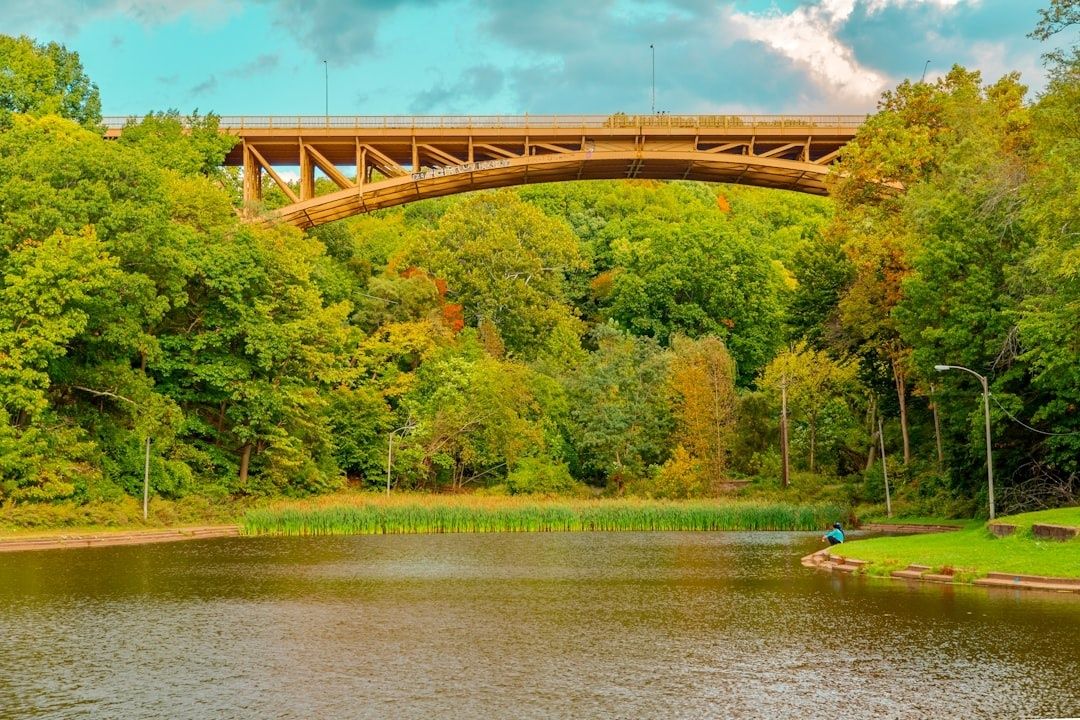
Civic cleanup is an ongoing responsibility, not a one-time beautification project. Pittsburgh”s “Immaculate Collection,” a two-year initiative led by Allegheny CleanWays, illustrates the scale of that commitment. The campaign seeks to expand cleanup capacity, address illegal dumping and neighborhood hot spots, and increase river debris removal, with a stated goal of collecting 256 tons of trash during one year. Couples who choose a riverfront venue benefit from this continuing work, and they can reinforce it through thoughtful vendor policies and low-waste celebrations.
- Choose reusable ceremony structures, glassware, and service pieces where venue rules permit.
- Use native or locally sourced floral material, and avoid arrangements that could shed plastic foam or nonbiodegradable decorations near the shoreline.
- Provide clearly labeled recycling and compost stations that match the venue”s actual waste-hauling capabilities.
- Ask vendors how leftover food, flowers, candles, and rental materials will be handled after the reception.
Iconic Riverfront Venues Across the Three Rivers
Each river corridor creates a different wedding atmosphere. The Allegheny River, especially near the North Shore and downtown-facing waterfront, offers energetic skyline views, sports and cultural landmarks, and some of the clearest perspectives toward Pittsburgh”s bridges. The Monongahela side brings a more layered industrial character, with changing views of downtown, Mount Washington, working infrastructure, and evening lights. Along the Ohio, the mood can feel more spacious and residential, with parkland, trail connections, and a quieter relationship to the water.
Venue types vary from restored industrial structures and former pump houses to contemporary event spaces, hotel terraces, museum-adjacent settings, and historic park facilities. A converted industrial building may provide brick, steel, oversized windows, and an immediate connection to Pittsburgh”s manufacturing history. A modern terrace can make the river and skyline the primary decoration. A park venue may offer greater flexibility for outdoor ceremonies, although it may require more extensive planning for restrooms, power, catering access, weather protection, and guest transportation.
| River corridor | Atmosphere | Architectural character | Best orientation |
|---|---|---|---|
| Allegheny | Vibrant and metropolitan | Bridges, cultural landmarks, polished promenades | Downtown skyline and bridge views |
| Monongahela | Layered and industrial | Historic infrastructure, hillsides, urban terraces | City lights, river bends, and Mount Washington perspectives |
| Ohio | Open and relaxed | River parks, trails, landscaped waterfront spaces | Long water views and sunset-facing locations |
When comparing venues, look beyond the ceremony photograph. Ask how guests move from arrival to cocktail hour, whether the bar interrupts the main view, where vendors can unload, and whether the dance floor remains comfortable if doors must close. A venue with a spectacular overlook may have limited elevator access or a narrow weather backup. Another may offer less dramatic architecture but a far smoother guest experience. The strongest choice is the one that supports both the visual concept and the operational plan.
Practical Considerations for Planning a Pittsburgh Riverside Wedding
Riverfront weather can change quickly. Open water, broad paved surfaces, and nearby hills can create noticeable breezes, while summer storms may arrive with little warning. A stylish tent, covered terrace, or adjacent indoor room should be treated as part of the design from the beginning, not as an emergency option added weeks before the wedding. Confirm whether the backup space can accommodate the full guest count, seated dinner, bar, entertainment, accessibility needs, and vendor staging.
Sound deserves special attention beside the water. River surfaces, hard promenades, bridge structures, and open air can carry or scatter music and conversation differently from an enclosed ballroom. Schedule a sound check with the entertainment team, identify speaker locations that will not obstruct views, and confirm venue rules about amplified music. For photography, plan around the direction of the sun and the skyline rather than relying on a generic sunset time. Golden-hour portraits may work beautifully during cocktail hour, but the timeline should include walking time, touch-ups, and a dependable return for dinner service.
Transportation is another defining feature of a Pittsburgh river wedding. Bridges, sporting events, construction, hillside routes, and downtown traffic can affect even short journeys. Guests should receive precise arrival instructions, and the planner should build a realistic buffer between ceremony, portraits, reception, and any off-site photo locations. Water taxis or private riverboat charters can create an unforgettable arrival or send-off, but they require early confirmation of passenger capacity, docking access, weather policies, boarding assistance, and timing with the reception venue.
- Confirm shoreline permissions. Ask the venue or municipality whether the ceremony footprint, chairs, tenting, amplified sound, alcohol service, photography equipment, and temporary installations require permits or special approvals.
- Map the guest journey. Document parking, rideshare drop-off, shuttle staging, accessible entrances, restrooms, coat storage, and the route between ceremony and reception spaces.
- Build a weather plan. Reserve tenting or an indoor alternative early, and decide who has authority to move the ceremony when wind, lightning, heat, or heavy rain creates a safety concern.
- Coordinate riverfront vendors. Share load-in windows, power requirements, water access, waste procedures, noise restrictions, and shoreline protection rules with the caterer, rental company, florist, band, and photographer.
- Schedule transportation with margin. Add time for bridge traffic and boarding procedures, and provide guests with a clear plan for returning from any riverboat experience.
Infusing Sustainable River Heritage into Your Design Aesthetic
A sophisticated riverfront design does not need to imitate a rustic lodge or cover the setting with nautical motifs. Instead, let Pittsburgh”s landscape provide the structure. Tables can take inspiration from native riparian planting through restrained greens, delicate grasses, fern textures, and seasonal branches. River stones can inform place-card weights or lounge details, provided materials are sourced responsibly and not removed from public shorelines. Smoked glass, brushed metal, warm wood, and charcoal linen can reference bridges, rail lines, and historic industrial buildings without making the reception feel themed.
Local sourcing can strengthen both the aesthetic and the environmental purpose of the celebration. Ask caterers about regional ingredients, seasonal menus, donation plans for surplus food, and the use of reusable serviceware. Florists can design in foam-free mechanics and arrange for flower donation or composting after the event. Rental companies can reduce single-use purchases, while planners can consolidate deliveries and schedule efficient load-ins. River stewardship becomes most meaningful when it appears in the decisions guests experience, not only in a sign explaining the wedding”s sustainability goals.
- Use foam-free floral mechanics and reusable vessels.
- Select seasonal Pennsylvania-grown flowers when availability suits the design.
- Offer refillable water stations instead of individual plastic bottles.
- Replace disposable favors with a charitable contribution, locally made edible gift, or useful reusable item.
- Coordinate with the venue on recycling, composting, and post-event material removal.
Guest experiences can also connect the celebration to Pittsburgh”s living waterfront. A short riverboat send-off, a guided walk along a heritage trail, or a cocktail hour built around bridge views can give the wedding a sense of place without adding unnecessary complexity. Plan these elements carefully, especially for older guests, children, and anyone with mobility concerns. A riverboat experience should have a comfortable boarding plan and a land-based alternative so that the celebration remains inclusive if weather or water conditions change.
Begin Your Next Chapter Along Pittsburgh’s Living Waters
A Pittsburgh riverfront wedding carries a rare kind of meaning. It places a joyful personal milestone within a landscape shaped by resilience, reinvention, and ecological balance. The steel-era bridges and working waterways remain visible, but so do native plantings, public trails, cleaner shorelines, and spaces designed for people to gather. That balance allows the celebration to honor the city”s heritage without being trapped in its past.
Begin early by identifying the river corridor that best fits the guest experience, then confirm the venue”s weather backup, shoreline permissions, transportation plan, and vendor access before committing to a date. Reserve high-demand waterfront weekends well in advance, especially for autumn foliage, summer evenings, and dates tied to major downtown events. With thoughtful coordination, the final scene can be both elegant and unmistakably Pittsburgh: bridge lights stretching across the dark, river breezes moving through the evening, and the city shimmering on water that has found a new life.